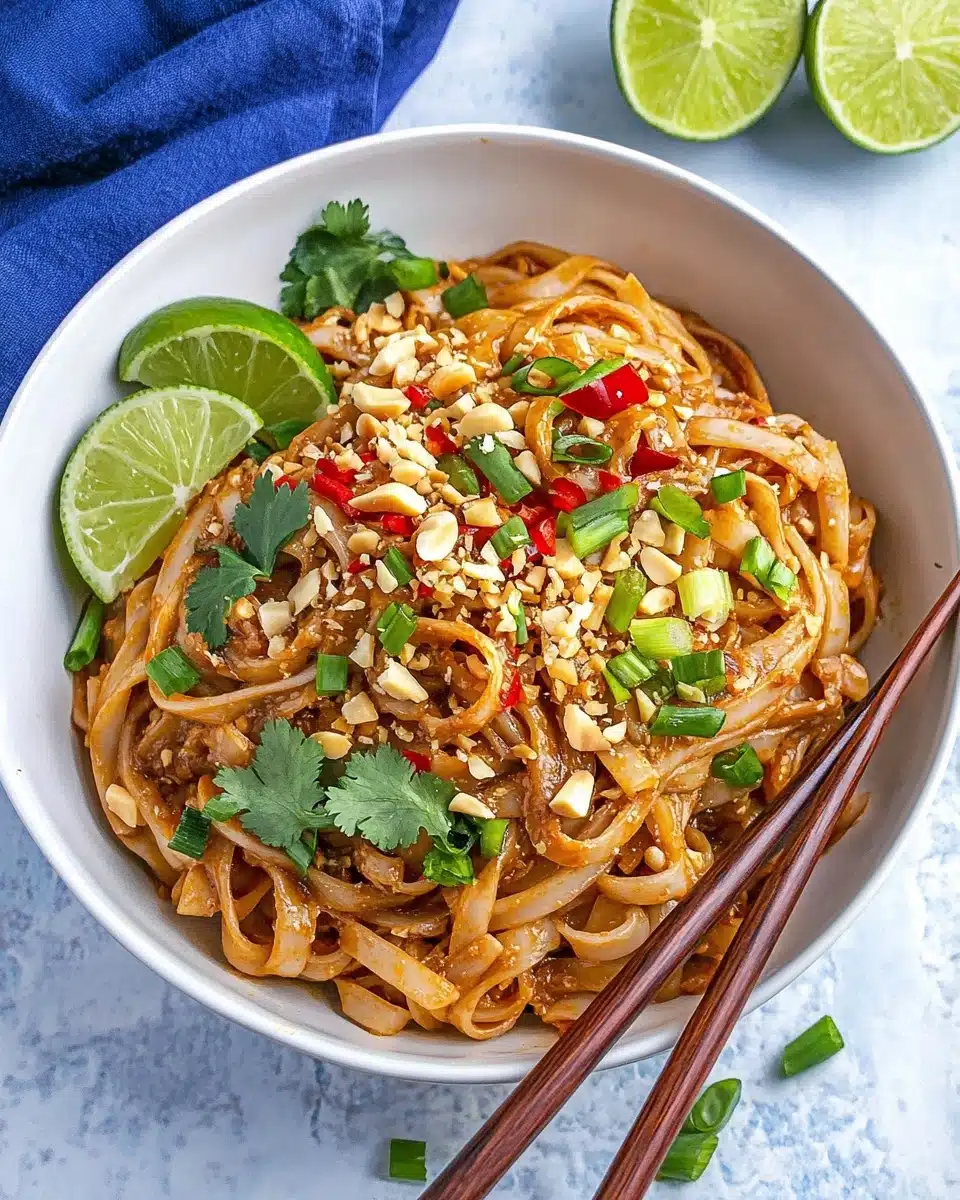
The Versatile Thai Peanut Noodle Recipe: Plant-Based & Beyond
Are you searching for a meal that’s bursting with flavor, incredibly quick to prepare, and adaptable to various dietary preferences? Look no further than the remarkable Thai peanut noodle recipe. These delightful noodles, coated in a luscious, creamy peanut sauce and studded with vibrant fresh vegetables, offer a culinary escape that’s both satisfying and surprisingly simple. Whether you’re a dedicated plant-based eater or looking for a flexible dish to please everyone at the table, Thai peanut noodles are a game-changer for busy weeknights, effortless lunches, and savvy meal prep. Imagine the rich, nutty notes of a perfectly balanced peanut sauce mingling with tender noodles and the crisp freshness of your favorite greens. This isn't just another noodle dish; it's an experience that captures the essence of beloved Asian flavors, reminiscent of popular Pad Thai profiles, but with its own unique charm and an emphasis on speed and ease. It’s the kind of dish you'll find yourself craving – and making – again and again.Deconstructing Thai Peanut Noodles: A Flavorful Journey
While many of us readily associate Thai peanut noodles with Thai cuisine, their true origin story is a fascinating blend of cultures. Historically, peanut noodles actually trace their roots further back to China, particularly from the town of Shaxian, before evolving into the "Thai-American fusion" dish we often encounter today. This delicious evolution speaks to the universal appeal of combining savory peanut sauce with slippery noodles. At its core, a classic thai peanut noodle recipe features a few star components:- The Noodles: While rice noodles (thin vermicelli or wide flat noodles) are a popular choice for their authentic texture, this dish is incredibly versatile. You can use anything from udon and wheat noodles to even spaghettini, making it easy to adapt based on what you have on hand or your textural preference.
- The Sauce: This is arguably the heart and soul of the dish. A rich, savory, and slightly sweet homemade peanut sauce binds everything together, creating that irresistible creamy mouthfeel.
- The Veggies: Freshness is key! A medley of crunchy vegetables not only adds essential nutrients and vibrant color but also provides a delightful textural contrast to the soft noodles and smooth sauce.
Why You'll Absolutely Love This Easy Thai Peanut Noodle Recipe
There are countless reasons why this particular easy Thai peanut noodle recipe has become a household favorite for so many. Its blend of simplicity, speed, and incredible taste makes it an irresistible option for modern kitchens.Speed & Simplicity Unmatched
One of the most compelling reasons to embrace Thai peanut noodles is their astonishing speed. Many recipes boast completion in as little as 10-15 minutes, making them a lifesaver for those hectic weeknights when cooking feels like a monumental task. The beauty lies in the fact that the homemade peanut sauce whips up in mere moments – no cooking required – and then it's just a matter of boiling your chosen noodles and tossing everything together. This efficiency makes it a perfect candidate for quick family dinners or healthy workday lunches. For more on how to achieve lightning-fast results, check out our guide on Quick & Easy Thai Peanut Noodles: Dinner in 10 Minutes Flat.The Creaminess Factor: Never Dry, Always Divine
A common pitfall with some noodle dishes is a dry or tacky texture. However, a well-executed thai peanut noodle recipe ensures an ultra-creamy, never-dry experience. The key lies in the perfect ratio of that rich, homemade peanut sauce to the noodles. When balanced correctly, every strand of noodle is generously coated, delivering an intensely flavorful and satisfyingly smooth bite. This creamy consistency is what elevates the dish from good to absolutely unforgettable.Versatility: Your Culinary Canvas
This dish truly shines in its adaptability. It’s a versatile culinary canvas waiting for your personal touch.- Noodle Neutral: As mentioned, whether you prefer the delicate chew of rice vermicelli, the robustness of udon, or even the familiarity of spaghetti, the sauce is the star and will complement almost any noodle you choose.
- Vegetable Wonderland: This recipe is a fantastic way to utilize whatever fresh vegetables you have lingering in your crisper drawer. Bell peppers, shredded carrots, cucumber, snap peas, edamame, red cabbage, spinach, and cilantro are all excellent additions. Feel free to mix and match based on season and preference.
- Protein Power-Ups: While delicious as a naturally plant-based meal, these noodles welcome a protein boost with open arms. We’ll delve deeper into options below!
Crafting Your Perfect Plant-Based Thai Peanut Noodle Dish
Making these incredible noodles is remarkably straightforward. The process typically involves three main steps: preparing the sauce, cooking the noodles, and assembling your masterpiece.The Star: The Homemade Peanut Sauce
The secret to truly outstanding thai peanut noodles lies in a phenomenal homemade peanut sauce. Forget store-bought alternatives; a freshly made sauce takes the flavor profile to an entirely new level.Ingredients typically include: Creamy peanut butter (natural is best), soy sauce (or tamari for gluten-free), rice vinegar, a touch of maple syrup or agave for sweetness, fresh ginger, garlic, and a hint of sesame oil. For an authentic kick, lime juice adds a bright acidity.
Preparation: Simply whisk all sauce ingredients together in a small bowl. Gradually add a little water, a tablespoon at a time, until the sauce reaches your desired pourable, creamy consistency. This gradual thinning ensures it coats the noodles perfectly without being too thick or watery. For a deeper dive into crafting this essential component, explore our detailed guide on Homemade Thai Peanut Sauce: The Secret to Creamy, Flavorful Noodles.
Noodle Know-How
Cook your chosen noodles according to package directions until al dente. A crucial step often overlooked for cold or room-temperature noodle salads is to drain the cooked noodles and immediately rinse them thoroughly under cold water. This stops the cooking process, prevents them from sticking together, and removes excess starch, ensuring a light, distinct texture.Assembling Your Masterpiece
Beyond Plant-Based: Customization & Protein Power-Ups
While the plant-based version of this thai peanut noodle recipe is incredibly satisfying on its own, its versatility truly shines when you consider adding extra elements to suit different tastes and dietary needs.Protein Boosts for Extra Heartiness
If you're looking to add more protein, or simply prefer a meatier dish, these noodles are an excellent foundation:- Tofu Power: For a continued plant-based approach, pan-fried or air-fried tofu cubes are a fantastic addition. Pressing the tofu beforehand to remove excess water ensures a crispier texture.
- Chicken: Grilled or pan-seared chicken breasts, thinly sliced or cubed, pair beautifully with the peanut sauce. You can even shred leftover rotisserie chicken for an even quicker meal.
- Shrimp: Quick-cooking shrimp (sautéed or grilled) adds a wonderful seafood element and cooks in just minutes.
- Eggs: A simple fried egg or a soft-boiled egg, halved, makes for a delightful and easy protein topping.
Spice It Up!
For those who appreciate a kick, transforming these noodles into a spicy sensation is easy:- Red Pepper Flakes: A generous sprinkle of red pepper flakes, either in the sauce or as a garnish, provides a pleasant heat.
- Sriracha or Chili Garlic Sauce: Drizzle some hot sauce like sriracha or add a spoonful of chili garlic sauce to the peanut dressing for an instant heat boost.
- Fresh Chiles: Thinly sliced fresh bird’s eye chilies will deliver a vibrant, fiery punch.
Garnish Game Strong
Don't underestimate the power of garnishes! They add texture, freshness, and a pop of color:- Crushed peanuts (for extra crunch and nutty flavor)
- Fresh cilantro and mint leaves
- Green onions or chives
- A squeeze of fresh lime juice
- Toasted sesame seeds
Practical Tips for Meal Prep and Enjoyment
One of the great advantages of Thai peanut noodles is how well they hold up for meal prep. Prepare a larger batch on Sunday, and you’ll have delicious, ready-to-eat lunches or dinners throughout the week.- Storage: Store the noodles and sauce, ideally mixed together, in airtight containers in the refrigerator for up to 3-4 days. If adding crispy elements like fried tofu, it’s best to add those fresh just before serving to maintain their texture.
- Serving: While delicious warm, these noodles are particularly fantastic served at room temperature or even chilled straight from the fridge, making them an excellent option for picnics or packed lunches.
- Sauce Consistency: If the sauce thickens too much in the fridge, you can thin it with a tablespoon or two of water or lime juice before serving.
